Viral Dak

Starlink-Debate_-Indias-Constitution-and-Space-900x550

Elon Musk’s Blunt Starlink Tweets Shake Up India Talk – Rahul Gandhi’s Sharp Reply and the Back-and-Forth That Followed

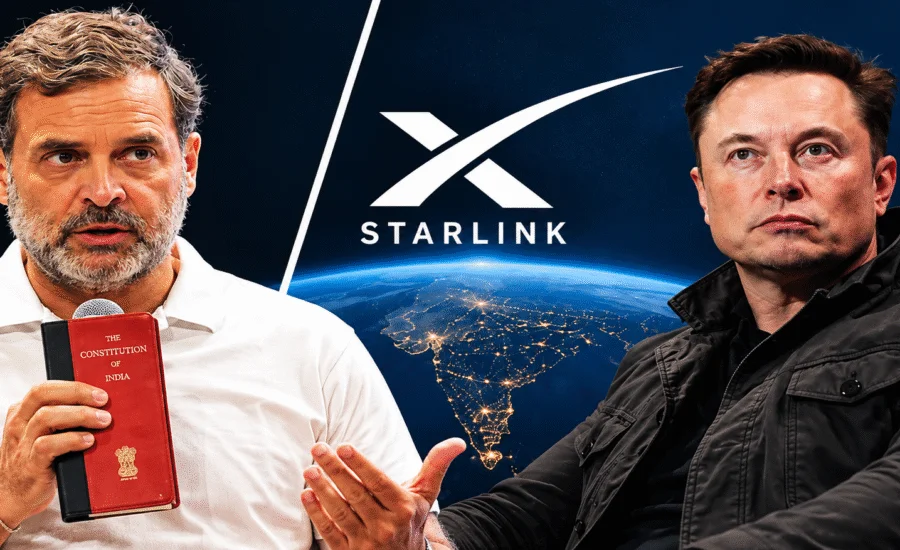
Over the past few days in early October 2026, the SpaceX and Tesla boss has been openly frustrated about Starlink still not getting the full green light to operate commercially here. He’s gone from talking about “oligarchs” blocking progress to directly calling out Mukesh Ambani in pretty pointed language. It’s stirred a big conversation, and Rahul Gandhi jumped in with a reply that got a lot of attention. Here’s the full picture of what’s been said, without the usual spin. It started on 7 October when someone posted stats about rural internet gaps in India – thousands of villages still without proper 4G, lower rural subscription rates, BharatNet progress that hasn’t fully translated to last-mile connectivity. Musk replied that Starlink was being blocked by certain oligarchs to protect a monopolistic chokehold on the Indian people. “You can guess who they are… This is a crime against the people of India!” he wrote. He followed up in other posts saying Starlink would help the least-served areas, fill coverage gaps where mobile and fibre struggle, and even support disaster response when ground networks fail. The next day, 8 October, he got more specific. Quoting a post that talked about protecting crony capitalists, Musk posted: “Starlink is licensed in over 165 countries and has spent five years complying with every single law and requirement of the government of India, so why still no license? Is Ambani the real boss of India?” That line landed hard. Rahul Gandhi, Leader of the Opposition, replied the same day with a short, pointed message: “Welcome to India, Elon. Wait till you discover the other guy.” Musk came back with “Thank you, Rahul. This is indeed troubling.” The exchange quickly became the centre of discussion. Some saw Gandhi’s words as a sarcastic jab at influence in the system (many read “the other guy” as a reference to another powerful business figure often mentioned alongside Ambani in political talk). Congress voices later described it as highlighting monopoly concerns rather than an endorsement of Musk or Starlink. Government side and others pushed back, saying the process is the same for everyone. Musk kept going. On 9 October he posted a longer note addressed “Dear Prime Minister Ambani,” apologising sarcastically for not realising Ambani was “the real boss of India.” He said Ambani would naturally prefer to keep monopolistic control but asked him to consider letting Starlink compete. He pointed out areas without internet access that limit education for kids and market reach for small businesses, adding that Starlink has helped save lives in disasters elsewhere and could do the same in India. He followed with another post stressing the life-saving angle during natural disasters. Background on the regulatory side is important for accuracy. Starlink has been trying to enter India for years (applications going back to around 2021). It received a GMPCS licence from the Department of Telecommunications around June 2025 and IN-SPACe authorisation for its first-generation constellation in July 2025. Reports say it has built gateway sites and worked on India-specific security controls. Distribution partnerships were even signed with Jio and Airtel subject to approvals. But commercial service still needs security assessments (same stage as Jio Satellite and Bharti-backed OneWeb) and spectrum assignment. The Ministry of Communications has said the framework is fair and non-discriminatory, all three licensees are undergoing the same security process, and claims of targeting or unfair treatment are baseless. Spectrum discussions had earlier involved debates over auction versus administrative allocation; the government moved toward a revenue-share model. Reactions have been mixed, as you’d expect. Supporters of faster Starlink entry point to rural connectivity data and the potential for remote education, telemedicine and disaster backup. Critics argue India should prioritise its own rules, digital sovereignty and local players, and that foreign companies must fully clear security and other conditions like everyone else. Some posts defended domestic industry and questioned external pressure. No widely reported reply from a prominent singer named Milan stood out in the main coverage of this specific exchange; the conversation stayed focused on the political and business angles. Musk has talked about India and connectivity before in general terms, and Starlink already operates in many countries. The current flare-up is specifically about the remaining clearances after years of process. As of now (mid-October 2026), the security assessments are ongoing and spectrum steps are pending for the licensed operators. The government maintains the process is level; Musk continues to argue the delays hurt ordinary Indians who need better access. That’s the sequence of the tweets, the direct replies, and the official positions so far. It’s turned into a high-visibility debate about competition, regulation, rural internet and influence in India’s telecom space. People will keep arguing the details – whether it’s procedural caution or something else – but the public posts themselves are clear and on the record. Sources: Direct posts from @elonmusk and @RahulGandhi on X (October 7–9 2026); reporting from Khaleej Times, Livemint, NDTV, TechCrunch, Economic Times, Bloomberg and Ministry of Communications statements on the regulatory status.
Elon Musk’s Blunt Starlink Tweets Shake Up India Talk – Rahul Gandhi’s Sharp Reply and the Back-and-Forth That Followed Read More »

Garhwali Film ‘Dholi’ Just Made History – And It Feels So Good

Garhwali Film ‘Dholi’ Just Made History – And It Feels So Good

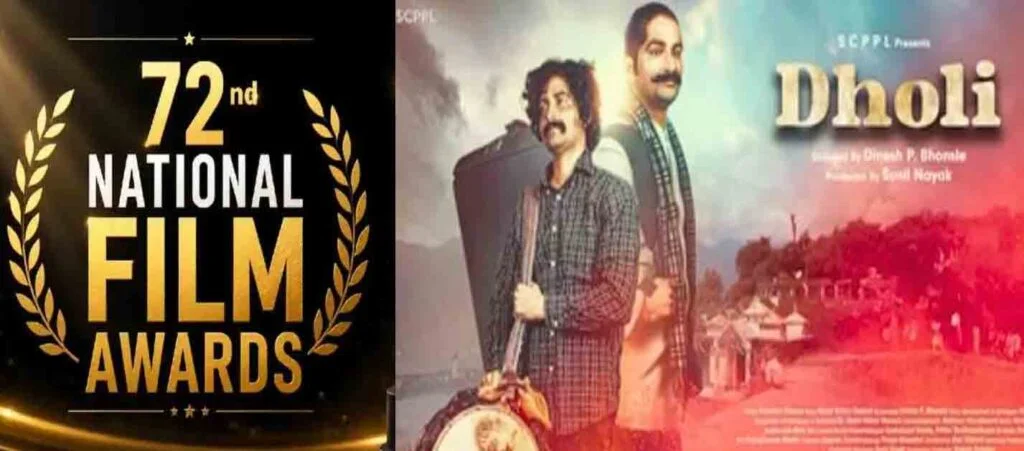
At the 72nd National Film Awards announced just a couple of days ago, it became the first-ever Garhwali film to win the Rajat Kamal (Silver Lotus) for Best Garhwali Film. For the hills of Uttarakhand, this is huge – like a dream come true for so many local artists and storytellers. The film is about something very close to home. It follows a family of traditional dhol players – those folks whose drum beats fill the air at weddings, festivals, and temple ceremonies across Garhwal. Everyone loves the sound, right? It brings joy and energy. But the players themselves? They often don’t get the respect or dignity they deserve. Dholi tells the story of a young boy who watches his father struggle with this, and then decides to chase bigger dreams with his talent. He works hard, finds success beyond the village, and eventually returns to change how people see these artists. It’s not just about one family – it’s about honoring the people who keep our traditions alive. What makes it even better is how real the film feels. They shot the whole thing in September 2023 in the beautiful Asiganga Valley of Uttarkashi – places like Nald village and around there. The mountains, villages, local faces, traditional clothes, and dialect – everything comes from the heart. Legendary Garhwali singer Narendra Singh Negi gave his voice to the music, and that just adds so much soul to it. A mix of local talent and dedicated crew from different places came together under director Dinesh P. Bhonsle and producer Sunil Nayak to make this happen. Chief Minister Pushkar Singh Dhami was quick to congratulate the team. He said this award is a proud tribute to Uttarakhand’s folk culture, language, and heritage. It’s inspiring for young artists and shows that Garhwali cinema is ready to shine on the national stage. He also mentioned how the state’s new film policy is helping create more opportunities like this – with subsidies, easier permissions, and support for local stories. That policy is a game-changer, especially for regional films, offering up to 50% back on spending to help projects like Dholi come to life. This win isn’t just about one movie. It feels like a door opening for everyone in the hills who has a story to tell. For years, Garhwali films have been quietly working in the background. Now, with national recognition, more people are going to pay attention. Dholi also screened at the Kolkata International Film Festival earlier, so the journey was already building. We keep thinking about those dhol players in villages – how their rhythm has been part of life for generations. This film gives them a voice, and the award says that voice matters. If all get the chance to watch Dholi, please do. You’ll feel the hills, hear the culture, and maybe even pick up a drumbeat or two in your heart. Congratulations to the entire team – from the actors and technicians to the villages that welcomed the shoot. Uttarakhand is celebrating, and honestly, we all should be. This is what makes Indian cinema beautiful – the big and the small, the loud and the quiet, all finding their place. Here’s to more stories from Devbhoomi reaching far and wide. Sources: Dainik Bhaskar, Jagran, The Print, official National Film Awards announcements, and Uttarakhand government statements.

Garhwali Film ‘Dholi’ Just Made History – And It Feels So Good Read More »

Mamata Banerjee Loses Symbol, Party Name, Gains Congress Support, CJP Sympathy

Mamata Banerjee Loses Symbol, Party Name, Gains Congress Support, CJP Sympathy

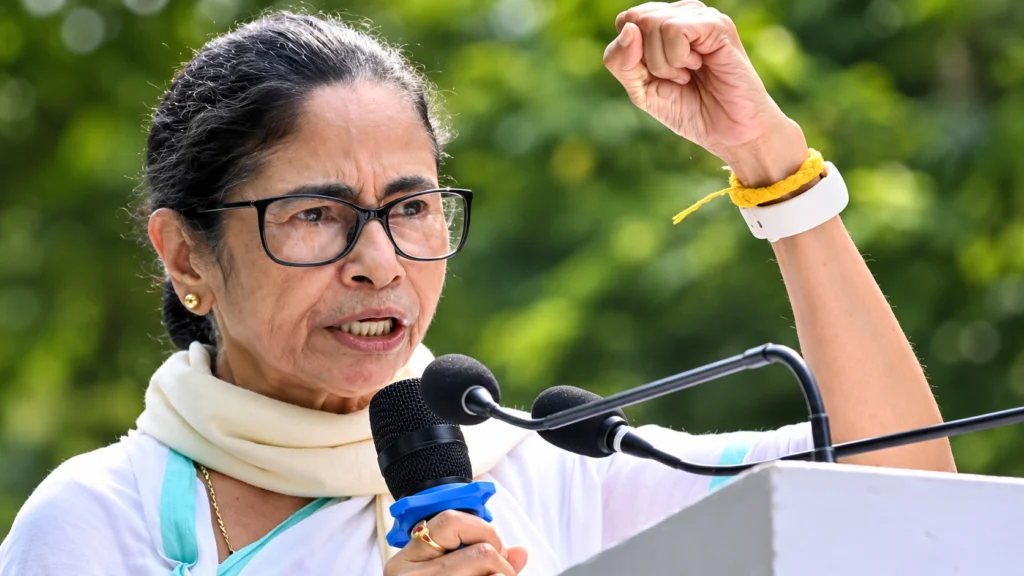
Yesterday felt like one of those days when the ground shifts under your feet in Bengal politics. Mamata Banerjee, the woman who built the Trinamool Congress from scratch nearly three decades ago, woke up to find her party’s name and that familiar grass-and-twin-flowers symbol locked away by the Election Commission. Both her faction and the rebel group led by Ritabrata Banerjee (with Arup Roy in the mix) were barred from using “All India Trinamool Congress” or the old symbol for the upcoming bypolls in Nandigram and Rejinagar on October 6. The Commission then handed out temporary labels. Mamata’s side is now “Mamata All India Trinamool Congress” with a football player as its symbol. The other side got “Democratic Trinamool Congress” and an envelope. Temporary, they say, until the bigger fight over who is the real Trinamool gets settled. But for a party that has lived and breathed that twin-flower logo since Mamata herself sketched it back in 1998, it stings. She called it a black day for democracy—unconstitutional, biased, the interests of another political party being served. She made it clear they only submitted alternative names and symbols because the bypoll process was already rolling. They do not accept this as final. They will fight to get the original back. You could hear the hurt in her voice at that press conference in Kalighat. She accused the rebel faction of betraying the “mother” of the party by letting the symbol be taken. “If anyone really respected the Trinamool Congress, they would not insult its mother like this by snatching away the symbol and make it an orphan,” she said. For her, this is personal. The party was her creation after she walked out of the Congress all those years ago. Losing the name and the mark that voters have associated with her for so long feels like someone is trying to erase that history. But politics rarely hands you pure losses. Almost as soon as the freeze order came, support started arriving from unexpected corners. Rahul Gandhi, Leader of the Opposition in the Lok Sabha, stepped in. The two have never exactly been close—frosty would be putting it mildly over the years—but he framed this as bigger than one party or one leader. He said the battle is not Mamata’s alone. It is the battle for every political party and every voter who wants free and impartial elections. He pointed to a pattern he sees: parties being broken, symbols snatched, the same treatment earlier given to others. Congress leaders across the board echoed the same line. Then came the Cockroach Janta Party, the young, satirical outfit that has been making noise online and on the streets. Their co-convenor Saurav Das called the Election Commission a government stooge and said the time for accountability is coming. The CJP handle backed him up. Mamata has shown warmth toward the group before; now the sympathy was flowing the other way. In a season where opposition parties are looking for common ground, these gestures matter. The bypolls themselves turned messier still. Mamata’s candidate in Nandigram, Sanchita Pradhan Dey, withdrew her nomination. Suddenly her faction had no one on the ballot there. So she announced support for the Congress candidate, calling it a decision for the greater interest of the country and the INDIA alliance. She described Congress as a natural ally—words that carry their own history, given how she once left that party. For Rejinagar she said she would decide later. Nandigram, of course, is no ordinary seat. It is the place that once helped her rise against the Left. Now it is testing her all over again, with Suvendu Adhikari’s shadow still large in the background. This whole episode did not appear out of nowhere. After the Trinamool’s heavy defeat in the 2026 Assembly elections, the party fractured. Most of the MLAs drifted toward the Ritabrata camp. Organisational elections, claims of majority, counter-claims of loyalty to the founder—everything went into the Commission’s files under the Election Symbols Order. The interim freeze is the result. Both sides have been recognised as political parties in West Bengal, Meghalaya and Tripura for now, but the real prize—the original name and the grass-and-flowers mark—remains unresolved. Mamata’s side has already moved the Supreme Court. What does it all mean on the ground? For ordinary workers and voters who have waved the twin-flower flag for years, the sudden change is confusing. Campaign material, wall writings, the emotional attachment to a symbol that stood for “Maa, Maati, Maanush”—all of that has to be rethought overnight. The football player and the envelope will have to do the heavy lifting for these two seats. Whether that carries any weight in Nandigram or Rejinagar is something only the October 6 results will tell. Mamata has been through worse. She has fought the Left, taken on the Centre, rebuilt after setbacks. She is promising to bounce back stronger and keep touring the districts. The rebels insist they are the ones who saved the symbol from disgrace and will ultimately keep it. Congress is offering public solidarity while quietly testing how far the new understanding can go. CJP is adding its own sharp voice from the margins. In the end, this is less about one bypoll and more about what happens when a party that was almost synonymous with one person starts to crack under pressure. The Election Commission has drawn a temporary line. The courts will hear the arguments. The voters will deliver their own verdict. For now, Mamata Banerjee stands without the name and symbol she carried for 28 years, but she is not standing alone. Congress has spoken up. CJP has extended sympathy. And she herself is already talking about the next fight. That is the picture as it stands today in Kolkata. Politics in Bengal has rarely been gentle. This week it simply reminded everyone how quickly the ground can move. Sources:The Hindu, India Today, Mint, Telegraph India, Times of India, NDTV, Economic Times, The Week (reports dated 17–19 September

Mamata Banerjee Loses Symbol, Party Name, Gains Congress Support, CJP Sympathy Read More »

Emergency Hits KP as PTI March Rolls On: Federal Government Takes Control

Emergency Hits KP as PTI March Rolls On: Federal Government Takes Control

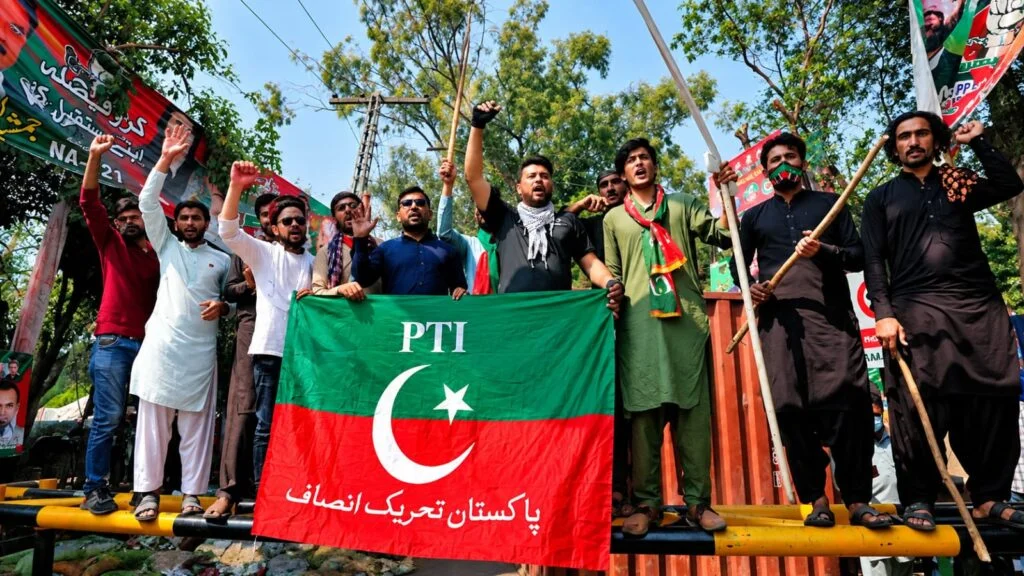
On Sunday the federal government finally pulled the trigger and put Khyber Pakhtunkhwa under emergency rule and governor’s rule. President Asif Ali Zardari signed off on it after the cabinet recommended the move. Just like that, the PTI-led provincial government is gone. Powers shift to the governor, Faisal Karim Kundi, and an 11-member advisory committee is being set up to run things. This didn’t come out of nowhere. The PTI has been on a long march for over a week now, starting from different parts of KP and heading toward Islamabad. They’re demanding the release of Imran Khan and what they call the restoration of constitutional supremacy. Chief Minister Sohail Afridi has been leading from the front, telling supporters the march will keep going no matter what. Convoys were moving through places like Charsadda and Mardan, planning to gather at Swabi Interchange and push further. The Centre says the real reason is the security situation. They claim the provincial government has been soft on terrorism, that incidents have shot up, and that the PTI administration stopped cooperating properly with federal efforts. Interior Minister Mohsin Naqvi put it bluntly earlier — there was no room left to avoid emergency. Prime Minister Shehbaz Sharif had met the President on Saturday to discuss the whole mess, and the cabinet sat on Sunday to formalise it. Almost immediately after the announcement, reports started flying around that Sohail Afridi and PTI provincial president Junaid Akbar had been arrested. The party is treating it as confirmation, though official police statements have been thin. PTI Chairman Barrister Gohar Ali Khan called the whole thing a grave political mistake and completely undemocratic. He said the people will never accept it. Maulana Fazlur Rehman of JUI-F also weighed in, calling it an attack on democracy and saying his party would keep playing its role both inside and outside parliament. The army has been asked to assist the civil administration under Article 245. Islamabad itself is on high alert with heavy police deployment. Section 144 has already been in force in Rawalpindi and Murree for weeks. KP police had been given strict guidelines on handling any violent protests, and now the entire province is under a different setup. For people on the ground in KP this is huge. The province has been the last big stronghold of the PTI after they lost power elsewhere. Supporters who have been walking and driving for days now face a completely changed political map. Some local leaders are still trying to keep the march alive, saying they won’t be intimidated. Others are waiting to see how the new administration handles the convoys still on the roads. The government side is framing it as necessary to restore order and fight militancy more effectively. They point to rising terror incidents and say the provincial leadership was more focused on politics than security. PTI sees it as pure power politics — removing their last elected government just as their protest was gathering steam. Parliamentary sessions of both the National Assembly and Senate have been called for Tuesday so the emergency can be debated and, if needed, extended. In the meantime the new chief secretary, Dr Muhammad Fakhr Alam, is already in place and the governor is talking about a “new chapter” for the province. It’s one of those days when the political temperature jumps overnight. A long march that was supposed to put pressure on Islamabad has instead triggered the biggest constitutional move against a provincial government in years. Whether the protests calm down or flare up further will become clear in the next couple of days. Right now the roads in KP are still full of uncertainty, the federal government is in charge, and the demand for Imran Khan’s release remains exactly where it was this morning. Sources:Dawn reports on the presidential approval and cabinet recommendation, 11 October 2026Geo News live updates on army deployment and political reactionsIndia Today and Daily Pakistan coverage of the emergency announcement and alleged arrestsTribune and Nation reporting on the build-up and parliamentary sessions scheduled for Tuesday

Emergency Hits KP as PTI March Rolls On: Federal Government Takes Control Read More »

Plea in Supreme Court Seeks Suspension of CEC Gyanesh Kumar, Says Election Commission Decisions Must Be Collective

Plea in Supreme Court Seeks Suspension of CEC Gyanesh Kumar, Says Election Commission Decisions Must Be Collective

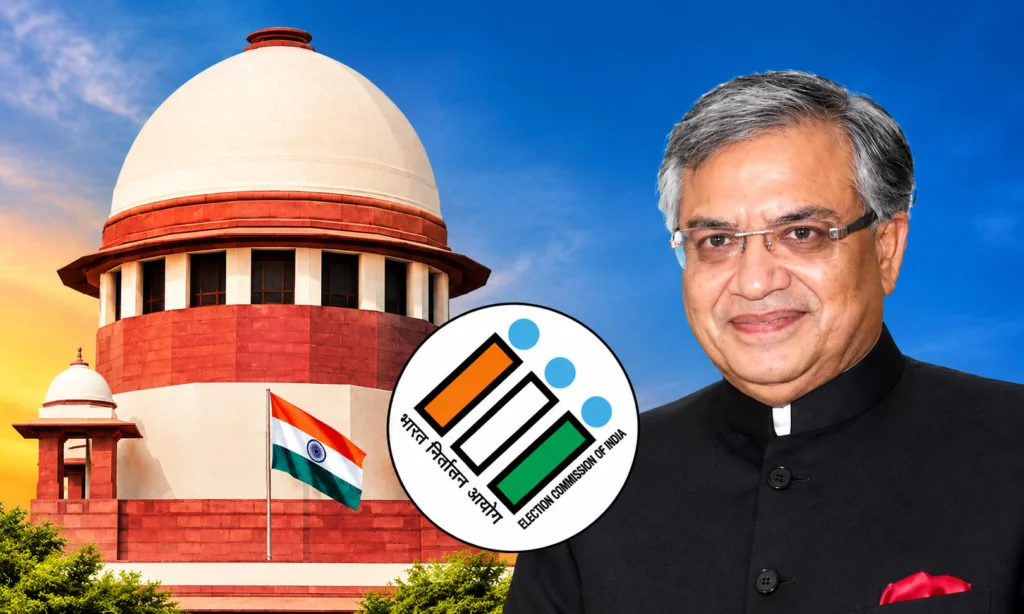
A petition is asking the top court to suspend Chief Election Commissioner Gyanesh Kumar right away and make it clear that the Election Commission of India cannot run on one man’s word alone. The plea, filed by Rakesh Kumar Singh under Article 32 of the Constitution, comes against the backdrop of reports that around 14 decisions were taken in the name of the three-member Election Commission between October 2025 and August 2026 even though the other two Election Commissioners, Sukhbir Singh Sandhu and Vivek Joshi, had put their objections down in writing. According to the petition, those objections kept coming up over months, sometimes more than once on the same day, and yet steps were still carried out as if the full Commission had signed off. What the petitioner is basically saying is this: Article 324 of the Constitution vests the superintendence, direction and control of elections in “a Commission,” not in one individual. Yes, the Chief Election Commissioner is the Chairman under Article 324(3), but that does not turn him into the Commission itself. The plea asks for a writ of quo warranto — basically forcing Kumar to explain under what authority he has been acting as if the collective power belongs to him alone. It also wants him suspended while the court looks into the matter, the original institutional records of the Commission produced, and an independent judicial inquiry commission or special investigation team headed by a retired Supreme Court judge set up to examine how those 14 decisions were taken. This is not the only petition on the subject. A few days earlier, advocate Shailendra Mani Tripathi had already approached the Supreme Court after The Indian Express reported the written objections by Sandhu and Joshi. That petition focuses more on the Special Intensive Revision of electoral rolls. It seeks a declaration that any decisions, guidelines, directives or software changes made without the full Commission’s concurrence, or against the majority view, are unconstitutional and void from the start. It also asks for criminal proceedings under Section 32 of the Representation of the People Act and for an SIT to look into the alleged deletion of a large number of names from the rolls. Both petitions point to the same legal provision: Section 18 of the Chief Election Commissioner and Other Election Commissioners (Appointment, Conditions of Service and Term of Office) Act, 2023. That section says that when there is a difference of opinion among the members, the majority view prevails. The argument is simple — if two out of three are objecting on record, how can decisions still go out in the name of the entire Commission? The issues raised go beyond procedure. The earlier petition talks about changes to statutory Form 6 used for voter registration, the centralisation of powers that used to rest with local Electoral Registration Officers, software modifications that allegedly introduced new requirements without proper rule amendments, and specific problems reported in states like West Bengal. The newer plea by Rakesh Kumar Singh keeps the focus tighter on the institutional question: can the Chairman alone exercise powers that the Constitution gives to the Commission as a body? People who follow these things will remember that the Supreme Court has already dealt with the relative positions of the CEC and the other Commissioners. In the T.N. Seshan case years ago, the court made it clear that once Election Commissioners are appointed, the body becomes multi-member and the CEC does not enjoy a veto. The 2023 Act simply put the majority principle into statute. The current petitions are testing whether that principle was actually followed in practice over the past year. The Election Commission has maintained that its decisions were taken properly. But the existence of written objections by two Commissioners is now a matter of public record through media reports, and the petitioners are asking the court to look at the original files, notings, approvals and server logs to settle the question. For ordinary voters, the stakes are straightforward. The electoral rolls decide who gets to vote. If the process of revising those rolls or changing the software that manages them is happening without the full Commission on board, questions of fairness and institutional integrity naturally arise. That is why the petitions are asking not only for declarations about past decisions but also for a proper inquiry so that the same pattern, if it exists, does not continue. The Supreme Court has not yet listed or issued notice on the latest petition seeking suspension. Courts usually move carefully on matters involving constitutional bodies. Still, the filing itself puts the issue of collective versus unilateral decision-making squarely on the judicial table. At the end of the day, the Election Commission is meant to be an independent multi-member body that inspires confidence across the political spectrum. When two of its three members are recording repeated objections and decisions are still going out under the Commission’s name, it is only natural that someone will ask the highest court to examine whether the constitutional and statutory scheme is being followed. That is exactly what these petitions are doing. Whether the court grants interim suspension, orders production of records, or sets up an independent inquiry remains to be seen. What is clear is that the demand for transparency and collective functioning of the Election Commission has now reached the Supreme Court in formal petitions. Sources:LiveLaw (28 September 2026)The Indian Express (25 September 2026)Business Standard (25 September 2026)India Today (26 September 2026)WION (28 September 2026)The Tribune (28 September 2026)

Plea in Supreme Court Seeks Suspension of CEC Gyanesh Kumar, Says Election Commission Decisions Must Be Collective Read More »